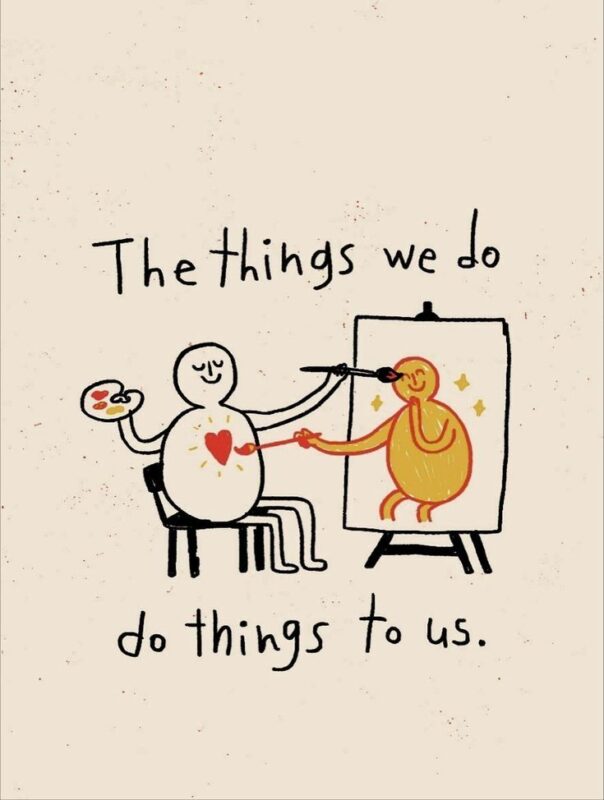
I’m a therapist in Leicester and this is why resolutions fail – and the small habits that actually work.
(and why most fall apart by week 2 or 3)
New Year’s resolutions fail for the same reason diets, morning routines and new me promises fail. Most people start January trying to become a completely different person overnight. It lasts about ten days. By week three, the wheels come off. Then the shame sets in.
If you’ve experienced this before, welcome to the club. As a therapist in Leicester, I see the same pattern every January. The problem isn’t willpower. It’s the size of the expectations. Here’s a calmer, more realistic way to approach resolutions so they actually stick this year.
Why Resolutions Fail So Quickly
1. The goals are too big.
Most people set huge January commitments: gym five days a week, perfect eating, strict routines, cutting sugar, alcohol and screens all at once. It’s too much change for a nervous system already stretched.
2. They rely on motivation.
Motivation is high in early January. By week two or three, real life kicks back in and motivation crashes. Habits built on pressure don’t survive busy days.
3. There’s no personal meaning behind the goal.
Resolutions like “be healthier” or “lose weight” are vague. Without an emotional reason that matters to you, the behaviour won’t last.
4. January is already an exhausting month.
Cold, dark weather. Back to routine. Money stress after Christmas. It’s the hardest month to layer big lifestyle changes onto.
5. One slip feels like failure.
Miss one workout, eat something off plan, skip a meditation… and many people abandon the whole goal. This all-or-nothing thinking kills momentum.
What Actually Works
These are the types of resolutions my clients keep. They’re small, specific and manageable even on stressful days.
1. Choose one habit that takes less than two minutes.
Small actions don’t trigger overwhelm. They’re easy to repeat.
You could try:
-
One deep breath before opening your emails
-
Putting your phone in another room while you eat
-
A two-minute tidy before bed
Tiny habits change identity far more than big plans.
2. Make a “subtraction resolution.”
Instead of adding more, remove one thing that drains you.
For example:
-
Say no to one plan a week
-
Reduce morning scrolling
-
Cut one stressful task from your routine
Subtracting creates more space than adding.
3. Aim for a 1 percent improvement.
Not dramatic. Not perfect. Just slightly better.
This could be:
-
Drinking water before your coffee
-
A short stretch in the morning
-
Leaving work on time one day a week
Small improvements build confidence.
4. Create habits that don’t collapse when life gets messy.
Big commitments fall apart fast. Minimum versions survive real life.
A 60-minute gym session collapses under tiredness or stress.
A five-minute walk usually doesn’t.
5. Test the real ‘why’ behind it.
If a resolution doesn’t connect to something you genuinely care about (better sleep, calmer mornings, less anxiety), it won’t stick.
When a habit improves how you feel, you’re far more likely to repeat it.
A calmer way to think about New Year’s resolutions
Resolutions don’t need to be a personality makeover. Most people don’t need a new version of themselves. They need small habits that support the life they already have.
If you’re based in Leicester and looking for a counsellor or therapist who can help you build healthier habits, manage anxiety or break out of old patterns, this kind of work sits naturally within therapy. Many people come to me each January feeling frustrated that they failed their resolutions again. Therapy gives you structure, accountability and a calmer process for making change that lasts.
Why working with a therapist can help resolutions stick
As a counsellor in Leicester, I see that most people don’t struggle with motivation. They struggle with habits that don’t fit their real lives. When you understand your anxiety patterns, triggers, and the emotional reasons behind your behaviours, habits become far easier to maintain.
Therapy helps you:
-
build habits around your actual lifestyle
-
understand why certain goals never stick
-
work with overwhelm rather than against it
-
stay consistent without the all-or-nothing cycle
This is the part most people skip when setting New Year goals.
If you want support
If this time of year feels overwhelming or you want help creating change that actually lasts, you can learn more about my therapy approach or book a consultation here:
Whether you’re in Leicester or anywhere in the UK, I offer both in-person and online therapy. Here are further pages of support that may help you. Take care and let me know how you get on.
-
The Calm Method (good for behaviour change + habit formation)
Related Articles: