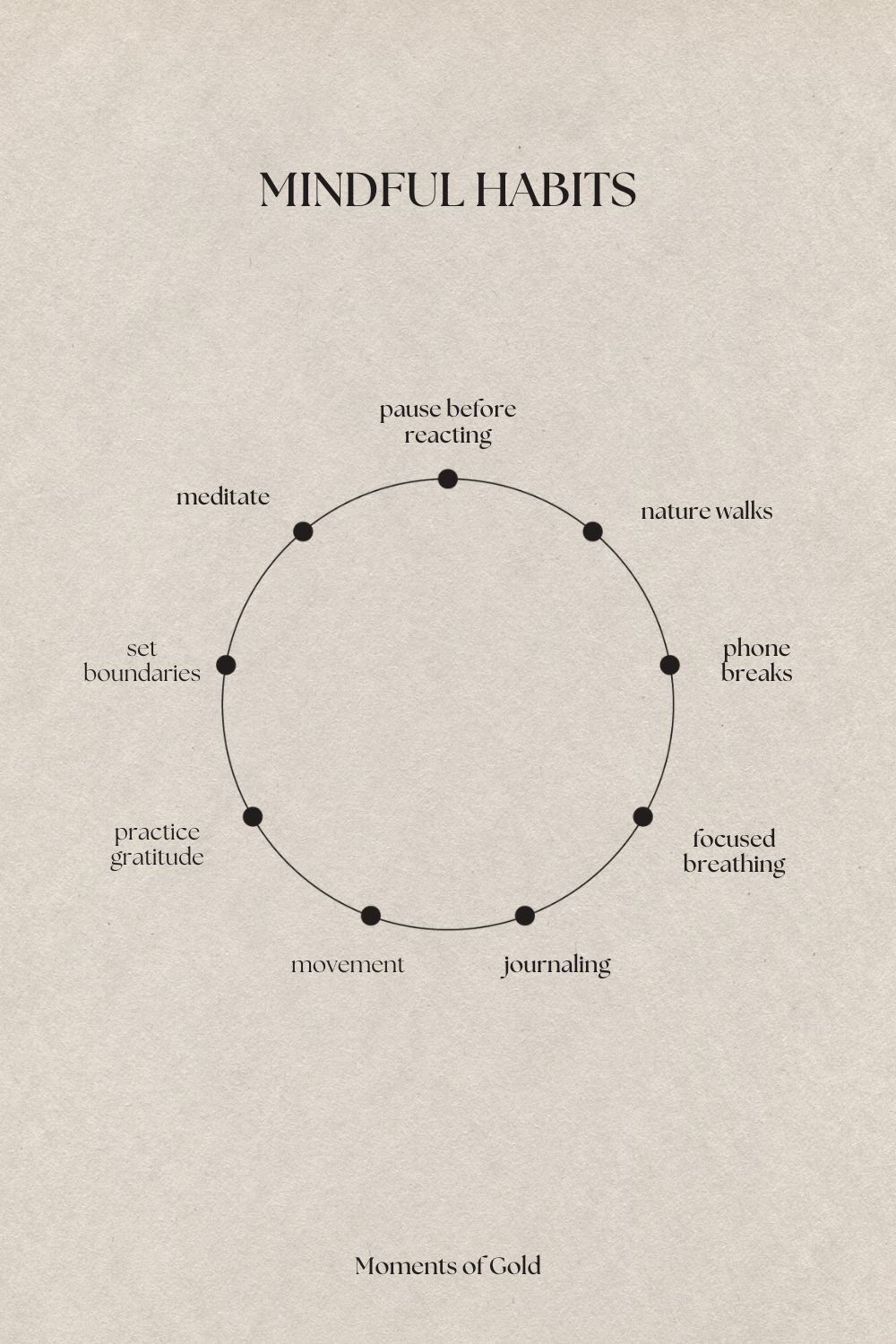
Starting a mindfulness or meditation practice can feel intimidating, especially with conflicting advice about proper techniques. The truth is simpler: mindfulness is about paying attention to the present moment without judgement, and anyone can learn it regardless of how busy or restless their mind feels.
Understanding Mindfulness vs Meditation
Whilst often used interchangeably, mindfulness and meditation aren’t quite the same thing. Mindfulness is a quality of awareness you can bring to any activity, from washing dishes to walking. Meditation is a formal practice where you intentionally cultivate mindfulness, usually by focusing attention on a specific anchor like your breath.
Both offer significant benefits: reduced anxiety and stress, improved focus, better emotional regulation, and enhanced overall wellbeing. Regular practice even produces measurable changes in brain structure, particularly in areas related to attention and emotional processing.
Starting With Realistic Expectations
The biggest misconception about meditation is that you need to stop all thoughts or achieve a completely blank mind. This isn’t the goal and isn’t actually possible. Your mind will wander, sometimes constantly. Meditation isn’t about preventing thoughts but noticing when your attention has drifted and gently returning it to your chosen focus.
Progress isn’t linear. Some sessions will feel calm and focused, others restless and distracted. Both are valuable. The practice lies in showing up consistently, not in achieving a particular state.
Your First Meditation Session
Start with just five minutes. Find a quiet space where you won’t be interrupted. Sit comfortably with your back relatively straight but not rigid. Close your eyes or soften your gaze downward.
Bring attention to your natural breath without trying to control it. Notice the sensation of air moving in and out, the rise and fall of your chest or belly. When your mind wanders, and it will, simply notice where it went and return attention to your breath. Don’t judge yourself for losing focus. The act of noticing and returning is the practice itself.
Building Your Practice Gradually
Consistency matters more than duration. Five minutes daily builds the habit more effectively than occasional 30-minute sessions. Once five minutes feels manageable, extend to ten, then 15. Choose a regular time that fits your schedule and link it to an existing habit, such as meditating right after your morning coffee.
Simple Techniques to Try
Body scan meditation involves systematically bringing attention to different body parts, noticing sensations without trying to change them. Start at your toes and slowly move upward.
Counting breaths helps anchor wandering attention. Count each exhale from one to ten, then start again. When you lose count, simply return to one without self-criticism.
Sound meditation uses ambient sounds as your focus point. Notice sounds arising and fading without labelling or judging them.
Mindfulness Throughout Your Day
Formal meditation isn’t the only way to cultivate mindfulness. Bring full attention to routine activities. When eating, slow down and notice flavours, textures, and the experience of chewing. When washing dishes, notice the temperature of water and the sensation of soap.
These informal practices strengthen the same mental muscles as formal meditation whilst integrating mindfulness into daily life.
Common Challenges and Solutions
Restlessness: Try shorter sessions or walking meditation where movement is part of the practice.
Falling asleep: Meditate at a different time of day, sit rather than lie down, or open your eyes slightly.
Feeling it isn’t working: Benefits often appear gradually. Track changes in how you respond to stress rather than expecting dramatic revelations.
Difficulty maintaining consistency: Set reminders, use a meditation app, or join a group for external motivation.
When Guided Support Helps
Whilst meditation can be self-taught, many beginners benefit from structured guidance. Guided visualisation offers an accessible entry point that combines mindfulness principles with gentle direction, making it easier to maintain focus and experience immediate benefits.
This approach is particularly helpful if you find traditional meditation frustrating or if you’re seeking specific outcomes like stress reduction or improved sleep. The structured nature removes uncertainty about whether you’re doing it correctly whilst teaching foundational mindfulness skills.
Making It Sustainable
Don’t aim for perfection. Missing days doesn’t mean failure. Simply return to practice without self-judgement. Experiment with different techniques until you find what resonates. Some people connect with breath-focused meditation, others prefer body awareness or sound. There’s no single correct approach.
Begin Your Mindfulness Journey
Starting a mindfulness practice is one of the most valuable investments you can make in your mental and emotional wellbeing. If you’d like personalised guidance to establish a practice that suits your lifestyle and goals, guided visualisation offers an effective, accessible approach for beginners. I specialise in helping people develop sustainable mindfulness practices that create real change without overwhelm. Book your free consultation and take the first step towards a calmer, more focused mind.